Compare manual tools with commercial lake weed removal using one work area and goal. Check access, effort, cleanup, permits, and repeat work before choosing.
Start with one clearly defined job
Choosing between a tool and a crew gets easier when both options are aimed at the same result. Keeping an existing ladder approach usable is different from managing a large invasive plant bed. Write down the need before comparing prices or equipment.
Sketch the proposed work area and the route for bringing removed plants ashore. Note the plant type if it is confirmed, the nearby structures, and any limits on standing space. Record where you cannot reach or see the bottom. Those limits belong in the decision from the start.
Keep useful plants outside the agreed work area in the plan. A larger machine or extra help is not a reason to expand the job. The best option is the one that fits the allowed task and can complete its cleanup, not the one that moves the most vegetation.
Understand what manual work can offer
A suitable hand tool can give you control over a small, accessible task. You can schedule the work around your own availability and stop after a limited area. That flexibility matters when the goal is narrow and the site can be assessed from a stable position.
The University of Florida’s aquatic plant guide describes hand removal as one option for small amounts of vegetation. It also explains that the need for repeat work depends on the plants and growing conditions. Its Florida examples are not a schedule or permission for every lake.
Manual work still needs a full plan. You must reach the target, handle the tool, collect loose pieces, lift wet material, and clean up. A small patch beside a steep bank may take more effort than its size suggests. A task is only manageable if the last load and equipment cleanup are manageable too.
Separate a commercial crew from a particular method
Hiring a crew does not always mean using a large harvester. A service may pull plants by hand, use specialized collection equipment, cut vegetation, or propose another method. Ask what will actually happen to the plants and lake bottom.
A crew may bring experience, suitable equipment, and a complete collection system. Those can matter when the work exceeds your available time or access. They do not make every method suitable for every plant or shoreline. The proposed approach still needs a site assessment.
The same University of Florida guide notes limits on mechanical harvesting, including shallow areas, obstructions, fragments, sediment disturbance, and disposal needs. Use those points as questions for the provider. Do not treat a machine’s listed capacity as proof of what it can accomplish on your site.
Make reach and access the first practical test
For a manual option, identify where you would stand and the path the tool would follow. Include the pull back toward shore and the lift out of the water. A handle can reach a plant while leaving you unable to bring the load in under control.
For a crew, ask how equipment reaches the lake, where it unloads, and where material comes ashore. A narrow gate, soft bank, or limited landing space can affect the proposed method. If the service needs a neighbor’s land, settle that access before accepting the plan.
Do not solve an access problem by improvising a work platform, reaching beneath a raised boat, or entering uncertain water. Our guide to when manual removal is the wrong choice explains common reasons to pause. Sometimes the next purchase should wait for a better assessment.
Compare the physical work honestly
Tool weight is only one part of the effort. Wet plants add a changing load. The length of each pull, the height of the bank, and the distance to the collection area all matter. A comfortable first minute does not tell you how the full job will feel.
The Canadian Centre for Occupational Health and Safety’s tool guidance considers the person, work layout, task schedule, and tool design together. These are general work-planning principles, not a lake-entry safety assessment. They help explain why the same tool can suit one person or task and poorly suit another.
Include breaks, setup, carrying, and cleaning in the time estimate. If you need another person to move containers or manage the shore area, count that help too. Hiring a service may be sensible when the physical work does not fit your abilities, even if the visible patch is small.
Keep permits separate from convenience
Check the rules for the exact plant, area, and method before choosing either option. Hand-operated equipment does not create a blanket permit exemption. Hiring a qualified business does not automatically authorize the site work either.
Wisconsin’s aquatic plant permit guidance shows why details matter. Conditions involving wild rice, sensitive areas, separate cleared segments, and other control methods can change whether a limited manual-removal allowance applies. That is a Wisconsin example; use the current rules for your own jurisdiction.
Commercial credentials may also differ by method. For example, Minnesota’s commercial control rule distinguishes mechanical control for hire from aquatic pesticide application. Ask the relevant agency which business credentials and project approvals apply. A provider’s general experience is not a substitute for the required authorization.
Give collection and disposal equal weight
Compare what happens after the plants are cut or pulled. Who gathers loose pieces? Who carries the wet load? Where does it go? A manual tool with no collection plan and a cutting-only service with no disposal plan can leave the same unfinished problem.
Ask the receiving site about the material before assuming it can be hauled there. Transport requirements can depend on the plant, location, and who is moving it. A pile on your shore is not evidence that the disposal part of the job is complete.
The lake weed disposal and transport guide covers those questions. Use the same destination and handling assumptions in both comparisons. If one quote includes lawful hauling and the other leaves it to you, show that difference clearly.
Compare the complete cost, not two sticker prices
On the manual side, list the tool, delivery, required accessories, collection supplies, cleaning, storage, and likely replacement parts. Add any applicable review or permit costs. Keep your estimated hours beside the cash total so low spending does not hide a large time commitment.
On the service side, request a written scope. Include site assessment, setup, method, work area, collection, disposal, and follow-up. Mark uncertain charges and ask what requires approval before it is added. Compare the total for the same result.
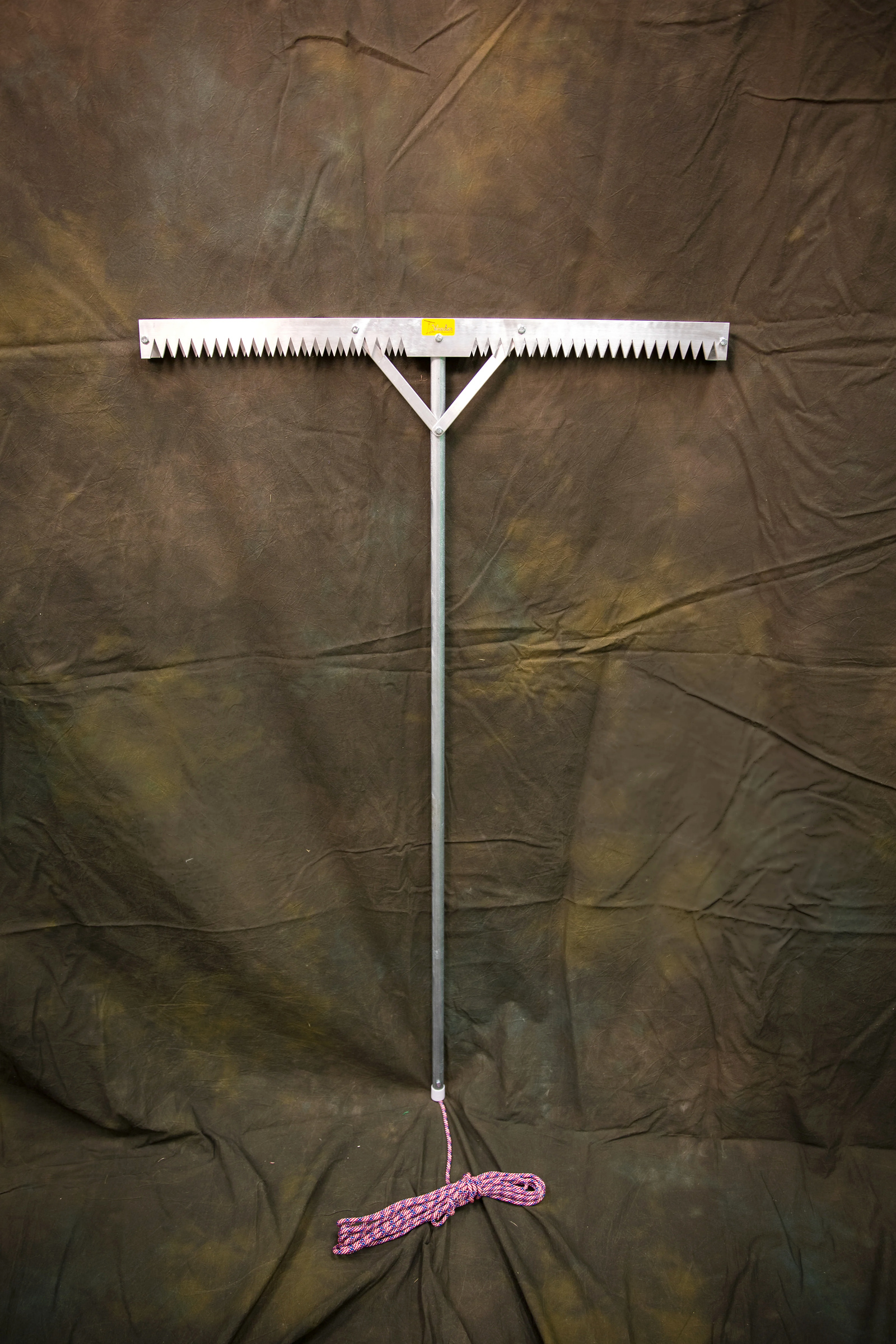
If your approved small task suits a manual approach, view the T-Weeder Tool and order one for your project. Use its current product details and purchase terms in the comparison. The real product photo below helps you see its design; it does not establish suitability for every plant or site.
Account for repeat work and timing
Ask both options the same follow-up question: what happens if the access problem returns? Plants may regrow, or loose material may arrive with wind. A service visit and a tool purchase should each have a realistic place in the seasonal plan.
Do not assume you need work every week just because the tool is available. Observe the agreed area and record the actual obstruction. Likewise, do not assume a service includes free return visits unless the written terms say so. Ask what a return visit covers and what conditions apply.
The seasonal budget guide separates startup purchases from repeat costs. Use a low-work and a higher-work scenario based on your records, then label uncertain assumptions. Avoid invented savings percentages or promises that a particular option pays for itself after a set number of uses.
Consider a divided plan when the tasks differ
You do not have to choose one method for every part of the property. A provider might assess a difficult area while you maintain a separate, allowed access point. The division works only when the boundaries and responsibilities are clear.
Ask whether your proposed follow-up fits the permit and treatment plan. If chemicals are used, follow the actual water-use restrictions and any instructions affecting later work. Do not enter or disturb a treated area because another part of the shoreline looks ready.
Use the service-hiring questions to put that agreement in writing. Record who collects material, who checks results, and who approves changes. A divided plan should reduce confusion, not create two people assuming the other handled the last step.
Use the first result to improve the next decision
Before work, take dated photos from safe, repeatable viewpoints. Afterward, record the same area, the time used, and any difficulty with collection or access. Include weather and water-level changes that could affect the comparison.
Judge the result against the original goal. Did the permitted route become usable? Were plants left where the plan called for them to remain? Was the removed material handled as agreed? A dramatic photo or a heavy load is not the only measure of useful work.
Keep the observations with your receipts or service records. If a tool proved awkward, identify whether reach, load, or access caused the problem. If a service missed an agreed task, refer to the written scope. Those details make the next choice more concrete.
Choose a plan you can finish
A manual approach deserves consideration when the task is small, allowed, accessible, and within your handling capacity. A qualified crew deserves consideration when the job needs expertise, equipment, time, or access you do not have. Neither choice removes the need to identify plants and protect the surrounding lake.
Leave unanswered questions visible. You may need a plant specialist, a permit response, a firm disposal arrangement, or a written service quote before deciding. Waiting for a specific answer is more useful than buying the largest tool or booking the first available machine.
Explore the Costs, Services and Equipment guides for the next comparison. Choose the option that completes the defined job, including collection and care afterward, within the time, budget, and site limits you actually have.
Image note: The featured image is an AI-generated planning illustration. The inline T-Weeder image is the site’s actual product photo. Neither image represents a tested project result.