Plan lake weed disposal before removal. Confirm the plant, transport rules, accepted destination, safe load, and cleanup so fragments stay out of new waters.
Transporting a load of lake plants can raise questions that pulling them never answered. Where may the material go? Does the driver need an authorization? Will the receiving site accept it? The best time to settle those details is before wet plants are piled beside the dock.
This guide uses current regional agency guidance checked on October 27, 2026. It gives you a practical order for planning disposal. Requirements differ by location, species, and who hauls the load. A removal permit should not be assumed to cover transport or final disposal.
Name the material in the load
Start with the plant identification and the place it came from. Record whether the load contains one species or a mix. Include attached mud, animals, and other material in the description. A waste facility cannot give a reliable answer from the word ‘weeds’ alone.
Keep invasive plants separate from ordinary yard waste when the disposal plan requires it. Do not add grass clippings or branches merely to fill the trailer. Mixing materials can change what the receiving site accepts and may make a legal disposal exception unavailable.
If you are uncertain about the plant, say so. Ask the natural resource agency for identification help before hauling. Photographs may be enough to begin. A useful record has a name, source location, and honest notes about what remains unknown.
Choose the destination before scheduling work
Call the intended facility and describe the exact material. Ask whether it accepts aquatic plants, the suspected invasive species, wet material, and any soil in the load. Explain whether the delivery is from a household or a commercial crew. Those details can affect acceptance.
Confirm the packaging and unloading rules. Ask about bag type, labels, container limits, fees, hours, and where to enter. Write down the reply and the date. A facility’s general yard-waste page may not answer a question about regulated invasive plants.
Plan a fallback before work begins. If the facility closes or refuses the material, the crew should know to pause rather than find an empty roadside spot. Do not begin a larger removal job than your lawful storage and disposal plan can handle.
Check transport permission separately
Minnesota’s aquatic plant transport page says transport generally requires a permit and links several routes for different situations. Its noncommercial authorizations are limited to one-way travel on one day. Commercial work may require a different permit or lake service provider requirements.
Ask which route covers your load and driver. A property owner hauling a small load and a business hauling for several clients may not fit the same document. Read eligibility before filling in a form. Do not use an old signed copy with a new date scribbled over it.
The Minnesota removal guide explains the earlier plant-control decision. Keep the transport document beside the removal records, but remember their different purposes. One addresses how plants leave the lake; the other addresses where the removed material travels.
Read every condition on the actual form
Minnesota’s currently linked General Permit 2015-002 covers eligible shoreland owners or their designees for noncommercial disposal. It requires removal of excess water, a secured load, lawful disposal at least 300 feet from shoreland areas, ditches, or seasonally flooded land, and cleaning the hauling equipment before leaving the disposal site.
The form must be completed, signed, and carried during the trip. It is valid for one-way transport on one day. These conditions apply to that authorization. The 300-foot distance is not a universal rule for every state or every disposal method.
Read the current form even if you used it before. Check both the origin and destination details. If your proposed facility or route does not fit the conditions, ask the DNR how to proceed. A printed form is useful only when the actual trip meets its terms.
Confirm invasive-plant waste rules locally
Wisconsin’s invasive plant disposal guidance describes a landfill exception for invasive plant material when other yard waste is not mixed in. It recommends appropriate bagging and labelling. That legal route does not mean every landfill or collection service accepts every load.
Wisconsin also regulates certain species under NR 40, with transport restrictions and specified exemptions. Confirm the relevant species and activity with the DNR. Do not assume that a lawful landfill destination automatically answers every question about possession or movement.
Use the Wisconsin lake weed removal guide for the work that comes before hauling. Then make a separate disposal note. Keeping the steps distinct helps prevent a contractor’s broad cleanup promise from hiding an unresolved transport question.
Avoid treating compost as the default
Some plant material may be suitable for a particular approved disposal method, but invasive species can make that choice more complex. Do not assume that a warm pile, brown leaves, or a few dry days prove every seed and fragment is unable to grow.
Michigan’s landowner and water-garden guidance advises bagging invasive or uncertain plants for trash disposal. Its aquarium and pond section warns against composting unwanted aquatic plants. Follow current species and local waste advice rather than applying an old general compost tip to every lake plant.
Ontario’s invasive aquatic plant guidance requires removed material to remain on dry land without re-entering the water under its work-permit exemption. Regulated species can bring extra requirements. Dry land is a starting condition, not permission to dump material anywhere someone offers space.
Design the loading area to contain fragments
Choose a stable place that the work team can use without damaging the shore. Consider how material will move from collection to containers. Minimize repeated transfers. Every extra pile or tipped bin creates another place where fragments can be missed.
Plan how excess water will be managed under the applicable rules. Do not solve a wet-load problem by letting water run toward a ditch, drain, or another waterbody. Ask the agency or facility for a suitable method if the planned handling creates runoff.
Make the loading sequence clear. One person can collect material while another closes and secures containers. Use equipment suited to the load and your lifting ability. Stop before wet material becomes too heavy to handle safely. More small loads may be manageable, but each trip still needs to meet transport requirements.
Secure the load for the entire trip
Choose containment that fits both the legal conditions and the receiving site’s instructions. Check lids, seams, tarps, and tie-down points before loading. A torn bag inside an open trailer may not keep small fragments contained. Plan for wind and vibration as well as the first few minutes in the driveway.
Inspect the vehicle and trailer exterior after loading. Remove plant scraps from tires, rails, hitch areas, and surfaces outside the containers. A well-covered load does not help if loose stems remain on the bumper. Keep any transport paperwork where the driver can access it.
Follow the vehicle and trailer limits. Do not estimate safe carrying capacity from how much material physically fits. Wet plants can be awkward and heavy. If the required load handling exceeds your equipment or ability, arrange a suitable service before continuing the removal work.
Make disposal part of a contractor’s scope
Ask a hired crew to name the disposal destination and the party responsible for transport. Request confirmation that the chosen route is allowed for the material. The quote should state whether loading, hauling, disposal charges, and final equipment cleanup are included.
Clarify what happens if the load is refused. Who pauses the work? Who arranges an approved alternative? Who pays for extra handling? Agreeing on these points ahead of time is easier than negotiating around a full trailer after the facility has closed.
The project cost guide helps compare quotes with equal scope. Keep disposal as a visible line in the budget even when it is bundled into the total. Avoid assuming that ‘material removed’ means ‘material lawfully delivered and accepted.’
Clean up at both ends of the journey
After unloading, inspect the containers and hauling surfaces. Follow the permit and facility’s rules for cleaning before departure. Collect any fragments that remain. Ask staff where that residue belongs rather than brushing it onto the ground.
Back at the property, check the staging area, access path, and place where plants first came ashore. Look for loose material that could move with the next rain. Clean tools and storage items before another waterbody. Keep clean gear separate from any remaining plant-handling containers.
Save the disposal receipt or a simple delivery record. Note the date, destination, driver, and any problems. This is not proof that every rule was met, but it creates a useful trail. It also makes the next project’s planning less dependent on memory.
Match removal to what you can finish
A small, suitable manual task can be easier to match with a sound collection and disposal plan. Once the task is allowed, view and order the T-Weeder Tool. Consider how much material you can collect, contain, and dispose of during the same work session.
For example, a family may have permission to maintain a limited access area but only enough accepted containers for one short session. They can stop at that limit and finish disposal before another session. A large wet pile left waiting is not progress if its destination remains uncertain.
If the species or disposal route is unclear, pause removal and resolve that point first. Photograph the plants and ask a specific question. Waiting for a clear answer is more useful than trying to repair a transport problem after the material has left the property.
Browse the Permits and Invasive Plants guides for related planning. A finished lake weed job includes the last fragment, the transport equipment, and the accepted destination. Build those steps into the plan before the first load comes out.
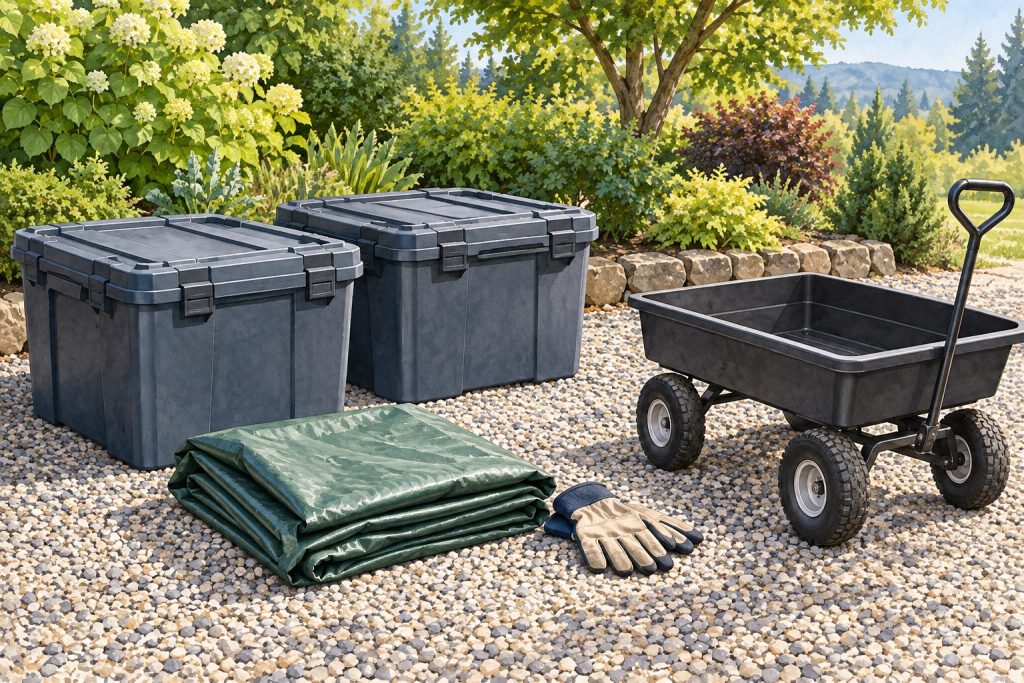
Image note: The featured loading-area scene is AI-generated artwork. It does not document an actual load, approved disposal site, or completed legal transport.