Lake weed equipment rental can fit a short job, but the rate is only part of the cost. Compare access, cleanup, timing, and storage before renting or buying.
Confirm what the rental actually includes
A search for lake weed removal machine rental can return very different equipment. A manual rake, powered cutter, floating harvester, and sediment-moving machine do not perform the same job. Start with the exact model and intended use, not the category name in the listing.
Ask whether the offer is equipment only, equipment with an operator, or a complete service. Find out which accessories, collection tools, transport arrangements, and instructions are included. A machine that cuts plants may leave gathering and disposal entirely to you.
Explain the lake, plant problem, proposed area, and access limits to the supplier. Ask it to confirm whether the machine is intended for that setting. A tool available for rent nearby may still be unsuitable for your task. Do not substitute land-clearing equipment for equipment designed and approved for aquatic use.
Resolve the method and permission first
Identify the target plants and decide what the work is supposed to achieve before reserving equipment. A narrow access route may need a different method from a broad invasive-plant project. An unknown plant or a plan that moves sediment may require more assessment.
Check local plant-management and waterway rules for the proposed method and site. Renting rather than owning does not settle those questions. A supplier’s equipment permit or business credential may be separate from the approval needed for your actual project.
In Minnesota, the DNR’s lake service provider guidance includes businesses that rent or lease water-related equipment used in state waters. That is a Minnesota business requirement, not a universal rule or proof that a particular weed-removal job is approved. Ask the relevant agency how the requirements apply to the rental and project.
Look beyond the advertised rate
Request the full written price for the time you expect to hold the equipment. Ask when the clock starts and ends, whether a day means a calendar day or a stated number of hours, and how weekends are counted. Do not assume a ‘weekly’ rate means seven unrestricted days of use.
List pickup or delivery, fuel or charging arrangements, accessories, cleaning, taxes, and any required damage-related charges. Ask what a refundable deposit covers and what could reduce the refund. A deposit may affect the cash you need even when it is not an expected final expense.
Read any damage waiver or optional coverage carefully. Ask what is excluded and what your existing coverage does or does not provide. Do not assume a waiver is insurance or that either covers every event. Keep the rental agreement and the answers to important questions together.
Compare ownership on the same basis
For a purchase, include the current price, delivery, accessories, cleaning supplies, storage, maintenance, and replacement parts. Ask about the warranty and available support. An inexpensive purchase can become less useful if a small missing part prevents the next job.
Compare equipment that performs the same task. A rented powered harvester and an owned hand rake may both appear in a lake-weed search, but their reach, operating needs, and collection systems differ. If the methods differ, compare complete project outcomes rather than calling one simply cheaper.
If a small approved task suits manual equipment, view the T-Weeder Tool and order one for your shoreline plan. Check the listed features and sale terms against your needs. Keep the collection and cleaning plan beside the purchase decision.
Use a simple break-even example carefully
Imagine a suitable rental costs $80 per session after known pickup and cleaning charges. Imagine an equivalent purchase costs $320 before its ongoing care. Four rentals would total $320. These are invented figures to show a comparison, not current prices, a T-Weeder price, or a prediction about how often you will work.
The apparent tie changes if ownership needs storage or parts, or if each rental requires a long trip. It also changes if you use the tool only once. Add those known costs before treating the calculation as a reason to buy.
Keep uncertain future use separate. Write ‘one confirmed job’ and then list possible later jobs without pretending they are certain or permitted. The seasonal budget guide can help you compare a low-use plan with a higher-use plan while keeping the assumptions visible.
Allow time for more than the cutting or pulling
A rental period must cover preparation, loading, travel, setup, work, collection, cleaning, and return. A promising afternoon forecast may leave little room for all of those steps. Ask about return hours before planning a late finish.
Plant work may also need repeating. The University of Florida’s aquatic plant guide explains that growth conditions and plant type affect the need for repeated physical removal. Its examples do not establish a schedule for every lake, but they show why one rental is not automatically a whole-season solution.
If the project needs follow-up, decide whether another rental is available and what it would cost. Owning a suitable tool offers scheduling flexibility, but it does not create a reason to work when conditions or approvals say to wait. Let the actual access problem guide the timing.
Ask for instructions and a condition check
Before accepting equipment, request the exact manual, intended operating limits, and a clear handover from the supplier. Powered equipment may need training and a competent operator. A short checkout conversation does not make every unfamiliar machine suitable for a first-time user.
Inspect the equipment with the supplier and document existing damage. Ask about guards, connectors, controls, missing parts, and the process for reporting a fault. Do not accept a machine with an unresolved defect on the promise that you can improvise a repair at the lake.
The CCOHS guidance for electric tools emphasizes inspection and qualified repair of defective equipment. Those general principles do not establish that an electric tool is suitable near or in water. Use equipment only in the setting allowed by its maker and the applicable site requirements.
Make transport and cleaning part of the reservation
Ask how the equipment will be delivered or loaded and whether your vehicle and handling plan are suitable. A heavy machine may need a transport service or specialized loading arrangement. Do not discover that problem after the rental clock starts.
Find out where the equipment was last used and how it was cleaned. Ask what the supplier requires on return and what the destination lake requires before use. Those duties can differ. A clean-looking machine is not proof that every hidden area has drained or that all local conditions have been met.
The U.S. Fish and Wildlife Service’s Clean, Drain, Dry guidance addresses plants, animals, mud, and trapped water on equipment. Our tool-cleaning guide explains why local rules and added decontamination needs deserve a separate check. Build that time into both rental and ownership plans.
Check weather, delays, and return terms
Ask what happens if weather, water conditions, or a permit delay prevents work. Find out whether a reservation can be moved, whether charges continue during a pause, and when you must notify the supplier. Keep its answer in writing.
A paid rental should never become a reason to keep working through unsafe conditions. If the original plan no longer fits, stop and contact the supplier. A clear delay policy can reduce the pressure to rush a job that needs more time.
Also ask how late returns, breakdowns, missing parts, and cleaning disputes are handled. Record the condition at return and request confirmation that the equipment was received. This gives both sides a clearer record than a hurried drop-off after the office closes.
Decide whether storage and care fit ownership
An owned tool needs a place where it can be inspected, cleaned, dried, and stored according to its instructions. Consider the length, head shape, sharp edges, and access by children or visitors. A tool that does not fit your storage area may be awkward to keep ready for use.
Powered equipment adds its own service and storage needs. Ask the maker or qualified provider what maintenance is required and who can perform it. Do not assume that a machine used only a few times needs no care between jobs.
If several households want to share equipment, agree on ownership, booking, cleaning records, repairs, and replacement costs. Shared ownership may reduce one person’s purchase expense, but it adds coordination. Use the shared shoreline planning guide to keep those responsibilities clear.
Keep hiring a service in the comparison
Sometimes renting a machine leaves you responsible for the hardest parts: operating it, moving it, collecting the plants, and meeting the schedule. A complete service may be worth comparing when the job needs skills or equipment you do not already have.
Ask a provider to quote the same area and result used in your rental estimate. Include the cleanup and disposal work. The service-hiring guide gives you questions about credentials, project approvals, and written scope.
Then choose from complete options. You may rent suitable equipment for a defined short job, buy a manageable tool for confirmed repeat tasks, hire a qualified crew, or postpone the decision until a site question is answered. The useful choice is the one you can carry through to a finished job.
Keep a short record after the first use
Write down the actual hours, handling problems, cleanup time, and total paid. Record whether the equipment performed the agreed task and which accessories proved necessary. Include travel and return time so the next estimate reflects the whole experience.
Compare those notes with your original assumptions. A rental may reveal that a smaller tool would fit better, or that professional help is the practical option. A successful one-time job does not establish how often future work will be needed.
Find more comparisons in the Costs, Services and Equipment guides. Let the confirmed task, full cost, and care requirements lead the rent-or-buy decision. Availability and an attractive daily rate are useful details, but they are only the beginning.
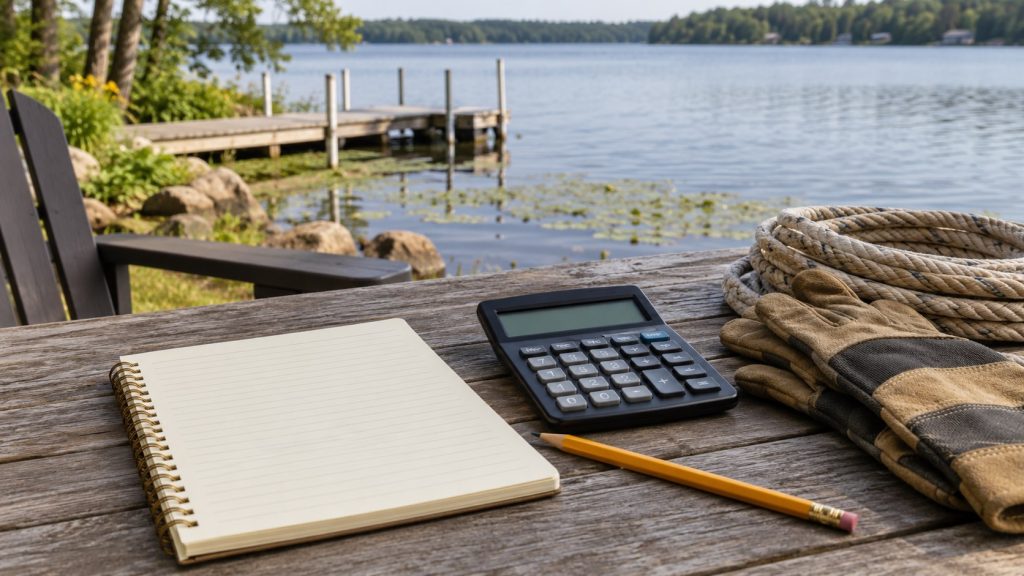
Image note: The featured image is an AI-generated illustration of equipment planning. It does not show a real rental listing, quoted price, or verified equipment condition.