Plan lake weed disposal before you pull or cut plants. Check the species, choose a legal destination, and arrange collection, hauling, and cleanup for the job.
Collection is only the first half of getting removed plants out of the way. The rest is making sure the material reaches a place that can accept it. A few decisions before work begins can prevent a pile from becoming your next problem.
Start with the destination, then size the removal job
A pile of wet plants can change your afternoon plans fast. You may have time to pull a small patch but no place ready for the load. Decide where the plants will go before work begins. Then limit the session to the amount you can collect, carry, and handle through that route.
Write down three places: where the tool brings material ashore, where you will hold it briefly, and where it will finally go. They may be close together, or the last one may be off the property. Check that each step is allowed and practical. A destination written only as “away” is not a disposal plan.
Use the lake weed removal guide to define the access goal. Keep disposal within that same plan. If the destination cannot take the amount you expect, reduce the work or arrange another accepted route before cutting more plants.
Know what is in the load
Identify the plants before choosing a disposal method. A native plant, a regulated invasive species, and a mixed load with unknown material can raise different questions. Tell the adviser if the plants were treated with a herbicide or came from a site with known invasive animals.
Our plant photo checklist helps you gather the details an expert needs. Keep clear images of any unfamiliar plant. Ask how to handle a sample before carrying it elsewhere. Moving a specimen for identification can have its own rules.
Do not mix uncertain material into the rest of the pile just to keep the work moving. Separate trash, rope, and other debris as you collect, when you can do so safely. Ask the facility about sharp objects or material you cannot identify. A load described accurately is easier to place than one called ordinary yard waste.
Ask the receiving site specific questions
Call the local waste district, municipal compost site, or other proposed receiver before filling a vehicle. Give the plant name if known, where it came from, whether it was treated, and the rough amount. Ask whether that exact material is accepted and whether it needs special preparation.
The Vermont waste program’s guidance explains why permission matters for invasive plants. Some facilities may accept particular species, while others do not. It says not to drop off invasive material without approval. Use your own local program’s current instructions for the actual load.
Confirm the opening hours, entrance, fee basis, container rules, and unloading location. Ask whether you must empty bags or leave them closed. Write down the date and the person or department that answered. A yard-waste symbol on a map does not explain these details.
Treat home composting as a choice that needs checking
General aquatic-plant advice sometimes suggests composting. Cornell Cooperative Extension’s water-weed guide, last updated in 2015, discusses draining plants, keeping them away from the lake, and adding dry material to a compost system. That is useful background, but it is not permission to compost every plant at every site.
EPA’s current home composting guide lists aggressive weeds, weeds with seeds, and herbicide-treated plants among materials to avoid in a backyard pile. A small pile should not be assumed to kill every seed or plant part. Ask the local invasive-species program about the particular material before choosing this route.
If home composting is suitable, follow the accepted process and locate it where material cannot return to water. Keep the system manageable. If it is not suitable, choose an approved disposal option. Do not solve the space problem by giving an uncertain pile to a neighbor for garden mulch.
Choose a holding spot that keeps material contained
Think about rain and wind before setting down the first load. A spot beside a drain, ditch, stream, or low area can let material travel again. Ask about any required setbacks or containment rules. Do not borrow a distance from another state’s article and treat it as approval for your property.
Keep the holding area out of the main walking route. Use containers suited to the material and the receiving site’s requirements. Check that they can be moved when loaded. A container that is easy to carry empty can become awkward long before it looks full.
Some accepted handling plans allow draining or drying before disposal. Follow the site-specific instructions, including where the water may go. Do not assume that briefly drying a pile makes invasive plants harmless or removes a transport rule. Keep the approved destination in the plan throughout this step.
Make carrying part of the work, not an afterthought
Walk the full route from the shore before loading a container. Notice steps, slopes, narrow gates, loose surfaces, and places where you need both hands. Decide how many small trips are practical. If the carry is difficult, change the collection plan before the work area fills with wet loads.
Use a manageable amount and stop before a load becomes hard to control. Do not drag a leaking trail of plants across the property. If using a cart, make sure its path and load fit its instructions. Keep people clear while tools and containers move through a shared dock or launch area.
During a first small session, record collection and carrying time separately from pulling or cutting. This is useful planning information. If hauling takes most of the afternoon, a wider removal tool may simply create a larger backlog. Better staging or a smaller work area may solve the real problem.
Check transport rules separately from disposal acceptance
A facility saying yes does not settle whether you may transport the load. Minnesota DNR’s transport page provides different permits for plants and equipment. It distinguishes noncommercial and business situations. Owners need to use the authorization that fits their activity and follow its conditions.
That example is specific to Minnesota. Ask the authority for your location what applies to aquatic plants, attached invasive animals, and the route you plan to use. Include whether you are doing the work yourself or hiring someone. Keep any required document with the load.
Confirm transport before the scheduled disposal trip. If the permit, load, or destination changes, check what must be updated. Do not assume that the permission to remove plants from the water also covers taking them down the road.
Keep the load secure from shore to unloading
Follow the receiving site’s directions for bags, bins, or other containers. Also follow the transport conditions and vehicle limits. The load should stay contained through the whole trip, including turns and stops. Check for loose pieces around the loading area before leaving.
At the destination, go to the accepted unloading point. Do not leave material outside a closed gate or beside a general recycling container. If the facility cannot accept the load on arrival, contact the responsible staff for the next step. An unexpected closure does not turn nearby open ground into a disposal site.
After unloading, inspect the container, cart, and vehicle for plant pieces. Handle those leftovers through the same approved route. Keep the receipt or other record if useful for your project. It gives you the date, amount or fee basis, and destination for the next estimate.
Use public plant-disposal stations for their intended purpose
At public launches, a plant-disposal station may be intended for small pieces removed from boats and gear. New York DEC’s invasive-species guidance directs boaters to remove visible material and use a disposal station or garbage can for material cleaned from watercraft.
That does not mean the station accepts a truckload from a private shoreline project. Ask the site operator before using it for anything beyond its stated purpose. Overfilling a small bin can leave plants scattered around the launch and create more work for staff.
Keep the two jobs separate: cleaning equipment before it moves, and disposing of harvested vegetation. Both matter, but the amount and destination can differ. Read posted instructions and report a full or damaged station to the operator instead of leaving another pile beside it.
Put disposal in a contractor’s written scope
Before hiring a crew, ask who gathers the plants, brings them ashore, loads them, obtains any transport authorization, and pays the destination fee. A quote for cutting or pulling may not include every one of those tasks. Confirm where responsibility changes hands.
The lake weed removal cost guide helps compare complete jobs. Ask whether extra volume changes the price and how the crew measures it. Compare the same work and destination before deciding that one quote is cheaper.
Set a clear end point for the visit. For example, the agreed area is worked, loose pieces are collected, loads reach the accepted destination, and the handling route is checked. Use the terms in your actual agreement. A pile left on your lawn may be acceptable only if you knowingly agreed to handle it.
Keep a short disposal record for the next visit
Save the plant identification, destination instructions, transport requirements, and the amount handled. Add the time spent carrying and unloading. Note any problem, such as a container that was too heavy or a facility that accepts loads only on certain days.
For a rough quantity, count the same-size containers each time and state that the count is an estimate. Do not turn a visual guess into an exact weight. A consistent simple record is enough to help plan the next small session or explain the job to a service provider.
For suitable, permitted manual work, review the T-Weeder Tool and order one for your shoreline project. Match its features to your plants and handling needs, with disposal already arranged. Explore more Lake Weed Removal guides when planning collection and follow-up care.
Before taking material off the property, read transporting removed lake weeds. Check the plant, transport conditions, and receiving site’s acceptance before loading.
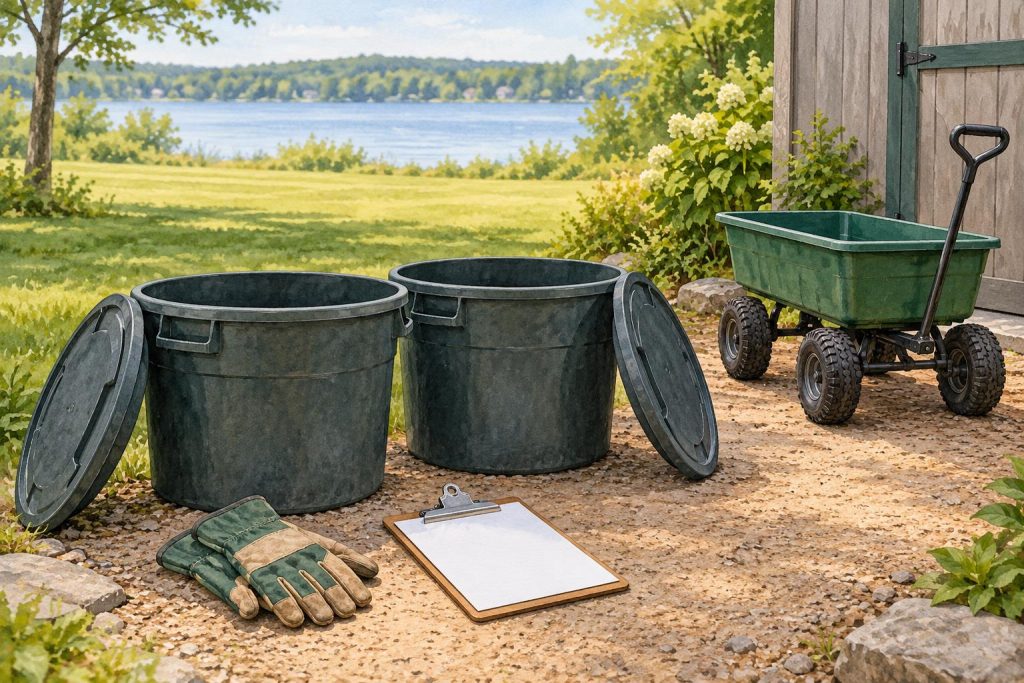
Featured image: AI-generated illustration of collection supplies on dry land. It does not show a verified disposal site, transport method, or completed cleanup.