Start your MN DNR lake weed removal check with plant types, project limits, permit questions, and a clear sketch of the shoreline work you want to do.
Understanding the project comes before choosing a removal method. A small patch of underwater plants beside a dock raises different questions from cattails along a bank, water lilies across a bay, or a plan to apply herbicide. Calling all of them “weeds” can hide the details that decide the next step.
This guide is a starting point for Minnesota shoreline owners. It reflects the agency pages and rule text checked on October 26, 2026. Use the linked sources and DNR staff to confirm your exact site and proposed work. Minnesota’s measurements and exceptions should not be carried over to another state.
Describe the access problem before the plants
Begin with a sentence about the activity you want to restore. For example: “Submerged plants block the route from our dock to open water.” Include where the problem occurs and how much space you believe is needed. This gives the permit discussion a practical focus.
The Minnesota DNR aquatic plant questions and answers explains that its program balances reasonable access and recreation with plant conservation. The agency does not issue permits simply to improve shoreline appearance. It also distinguishes a shoreline access permit from a project aimed at selective invasive-plant control on a wider lake scale.
A useful plan can be modest. You might need a route through a patch while leaving the surrounding vegetation in place. Sketch that route separately from the rest of the lake. Avoid describing the project as a full shoreline cleanup if the real need is a single launch point.
If you are still defining the job, use our lake weed removal guide to turn the concern into a clear project boundary.
Sort the growth into the right plant group
Take a wide photo of the setting and closer photos of leaves, stems, and the way the plant grows. Note whether the growth is underwater, rooted with leaves floating at the surface, or standing above the water. Keep a possible species name separate from a confirmed identification.
The DNR guide to aquatic plant types explains why these groups matter. Its guidance says emergent vegetation removal requires a permit. Floating-leaf plants have a narrow channel exception, while submerged plants have their own conditions. Do not apply the submerged-plant area limit to cattails or wild rice.
Mixed patches deserve special care. A rake passing through underwater plants might also pull a rooted plant with floating leaves. A broad green band in a photograph may contain more than one group. Ask how to avoid plants outside the authorized scope.
Our lake weed identification guide helps organize useful observations. If the plant remains uncertain, share the photos with the appropriate specialist before removing the evidence.
Read the submerged-plant exception as a whole
For the legal details, start with Minnesota Rule 6280.0250. Its limited exception for submerged plants allows mechanical control for swimming or boat docking within a maximum of 50 shoreline feet or half the owner’s total shoreline, whichever is less, and no more than 2,500 square feet. It allows added channel area to open water, with a channel no wider than 15 feet and included within the allowed shoreline frontage.
The exception has other conditions and does not override separate laws. The rule also says you cannot add unpermitted control under the specified exceptions at a location and during a period already covered by an APM permit. A permit and an exception are not two separate allowances to stack together.
Treat these as limits to check, not a recommended clearing size. Your actual need may be smaller. If the shoreline bends, the proposed area is irregular, or the channel layout is unclear, send the drawing to staff rather than choosing the interpretation that allows the most removal.
Use an example to check the measurements
Imagine a property with 80 feet of shoreline. Half is 40 feet, so the frontage comparison is between 40 feet and 50 feet. The smaller number is 40. This example only illustrates the arithmetic; it does not establish that the property’s plants, method, or location qualify for removal.
Now imagine a rectangular area that is 20 feet along shore and 30 feet outward. Its area is 600 square feet. Write the two dimensions and the calculated area on the sketch. Keep any proposed channel clearly marked so the agency can review how it relates to the rest of the project.
Do not use the dock’s length as a substitute for the size of the work area. Do not measure a shared parcel as though all of its shoreline belongs to your individual project. If ownership, an easement, or a common-access arrangement affects the site, explain that before relying on a frontage calculation.
A simple drawing with honest measurements is better than a polished aerial image with an unexplained shaded shape. Label uncertainty instead of hiding it.
Check the method, even when the area is small
An area can be small and still involve a method that requires authorization. The DNR aquatic plant management program overview lists chemical treatments, automated aquatic plant control devices, bog removal, and several other activities that require permits. Owning a product does not grant permission to use it at your site.
Describe the tool’s action in plain language. Will it cut stems, pull plants, move sediment, cover the bottom, or run continuously? “A weed tool” does not give staff enough detail. Include the product name or specifications when the operation is hard to explain.
If someone proposes herbicide, ask for the exact product and label and who will handle application requirements. Our guide to aquatic herbicide questions can help prepare that discussion. A permit question and a product-label question both need answers.
The Minnesota permit rule also bars issuing permits to place mats, sheets, filter fabric, or similar bottom covers to destroy or prevent aquatic plant growth. A bottom barrier is not simply another method to add to an application. Keep the method consistent across your sketch, contractor proposal, and application. If the plan changes after a site visit, resolve the change before work begins.
Plan collection and disposal as part of removal
Under Minnesota Rule 6280.0350, mechanically controlled vegetation must be removed from the water immediately and permanently and disposed of above the ordinary high water level. Mechanical control also has restrictions on altering public waters and changing the location of work. The rule prohibits hydraulic jets and suction dredges for this control.
That makes collection part of the job, rather than an optional finish. Decide where each load will go and how it will stay out of the water. A plan that only cuts plants and lets them float away leaves out a necessary part of the work.
Keep the staging area separate from the access route so people do not step over wet piles while carrying equipment. Consider how you will move the material from the shoreline without dragging it through unrelated plant beds.
If material must leave the property, ask about the applicable transport authorization and disposal destination. Do not assume a general yard-waste site accepts aquatic plants or that transporting an invasive species is covered by permission to remove it.
Prepare a short packet for your DNR contact
Put the lake name, county, property address, and your contact information on the first page. Add the shoreline sketch, measurements, dated photos, and a brief description of the access problem. Include any previous permit number you can locate.
Describe what you know and what remains uncertain. For example: “I believe these are submerged plants, but the species is not confirmed. The outlined area is our proposed work area, not an area already cleared.” That wording prevents a reviewer from treating a guess as a fact.
Ask focused questions: Which plant group is present? Does this proposed work meet an exception? If a permit is needed, which application should I use? Are there site conditions, timing limits, or transport requirements to address? Ask who else should review a project that includes more than plant removal.
Keep the reply with the same packet. If a phone conversation changes your plan, make a dated note and request written clarification of important conditions. This gives everyone a shared reference when the work is scheduled.
Use current application and fee instructions
The DNR permit information page links to the application process, staff contacts, company lists, and transport form. It says fees depend on the control type and instructs applicants to wait for an MPARS invoice before sending payment. Follow the current instructions rather than an old printed form.
The same page says mechanical aquatic plant control for hire requires a permit. If you hire someone, ask which authorization covers the company and which covers the proposed work. Keep copies or identifying details with the proposal so the responsibilities are clear.
Do not treat an application submission, payment, or contractor booking as approval to begin. Check the issued document and any conditions before setting the work date. If a permit is denied or the allowed area is smaller than requested, revise the project rather than asking the crew to follow the original drawing.
Budget for the full job separately from the agency fee. Labor, collection, hauling, equipment, and repeat visits may be different parts of a service quote.
Review the final plan with everyone doing the work
Before the workday, walk through the marked plan with anyone helping. Identify the starting point, the boundary, plants to leave, and the collection location. Make sure the person operating the tool has the same version of the plan as the person who handled the permit.
Use the issued conditions to decide when to stop and ask for guidance. Unexpected plants, poor visibility, an uncertain boundary, or a method that moves the bottom are reasons to pause. A smaller completed area is easier to address than an expanded project carried out by mistake.
Afterward, photograph the area from the same points used in the application packet. Record the date, method, approximate area, and where collected material went. Keep any required reports or follow-up instructions with those records.
These notes also help next season. They show what was actually done and prevent a new helper from assuming that a different location or a wider area was already approved.
Choose a tool after the Minnesota rules check
Once the plant, method, and work area are settled, compare equipment with the task. Think about reach from stable footing, how much material you can handle, and how you will retrieve it. A tool that is difficult to control can make a small project harder to keep within its boundary.
If a manual approach fits your confirmed project, review the T-Weeder Tool and order for your planned removal work. Check its current product details against your site and the method you have confirmed. No tool purchase replaces the Minnesota rules check.
Visit the Permits and Invasive Plants guides for related planning topics. The useful next step is a clear, specific inquiry: these plants, this location, this method, and this measured area. That gives DNR staff the facts needed to help you proceed.
Location can add a different review process. Compare Wisconsin’s removal requirements and Lake Minnetonka’s local coordination when those locations apply. A nearby jurisdiction’s allowance does not transfer to your project.
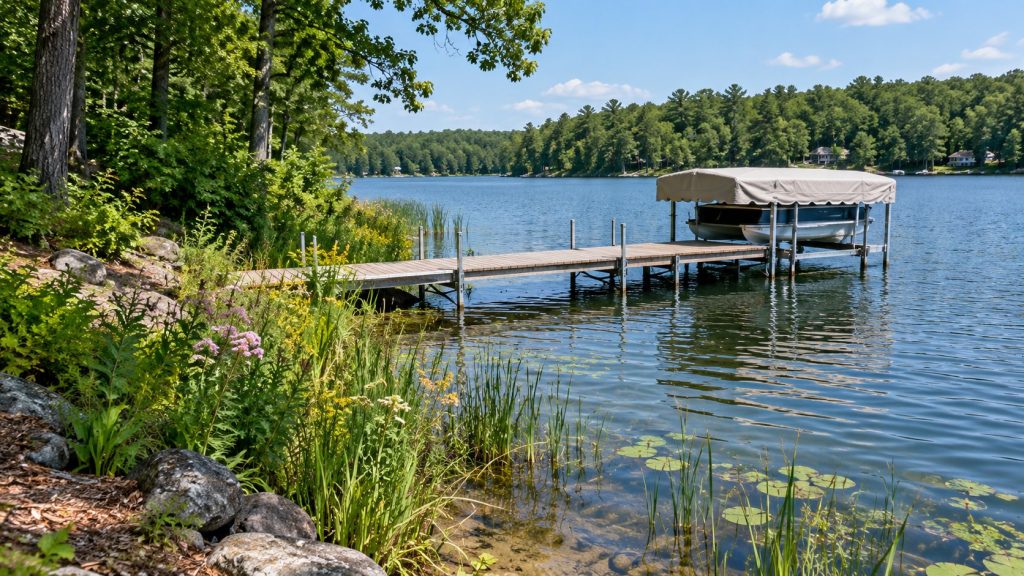
Image note: The featured image is an AI-generated planning illustration. It does not depict an issued permit, official approval, or a surveyed work area.